February 19, 2025

The Super Bowl, the Milano Cortina Winter Olympics, and the FIFA World Cup this summer have set the stage for a sports season defined not just by competition but by community.

These sporting events create shared viewing rituals that bring millions of people together to experience the games in real time. And while audiences continue to reach historic highs, even as media habits fragment, it’s worth examining how these events shape identity, fandom, community, and the way people connect with one another.
To help understand why sports carry such cultural influence and how brands try to engage with fans in these moments of collective attention, we spoke with Steve Hall, senior lecturer of advertising, who is teaching a brand new course this semester on “Sports Advertising and Branding” and serves as chair of the University of Illinois Urbana-Champaign Athletic Board.
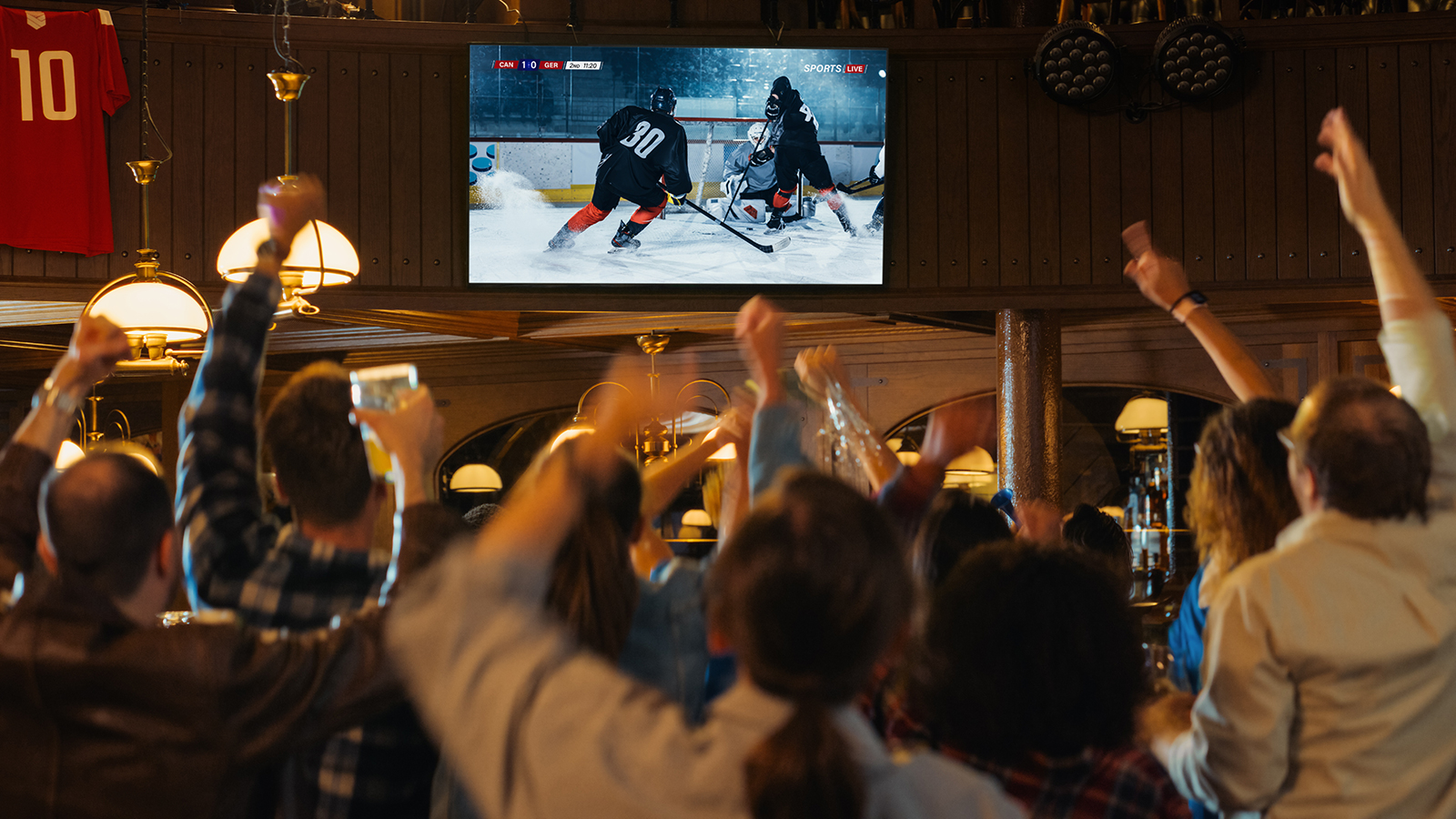
With the rise of “communal viewing”—from watch parties to bars to fan zones—how does the social nature of watching sports amplify the impact of an ad compared to watching alone?
Viewing sports together as a shared social experience can be extremely powerful and create incredible opportunities for advertisers. It can also pose serious challenges.
The impact of advertising in communal contexts is complicated and depends on a dizzying array of variables. There are a lot of questions that need to be asked. For starters, how does an advertiser define and measure impact? From a media perspective, there’s a ton of data analytics being generated to measure what and when people are watching when it comes to sports on linear and streaming platforms. But that’s just scratching the surface.
Questions remain: What kind of fan zone, bar, or watch party is it? Organized or spontaneous? Is the game, match, or race interesting or boring? What stake or emotional connection do each of the audience members have with the sport, teams, players, and the group of people or type of fans who are there watching? Favorite or rival team winning or losing? Are people intensely engaged, having side conversations, focused on eating a pastrami on rye, checking fantasy stats, or posting videos of themselves at the party on social media?
Then you have the ad itself. Is the storytelling mediocre or amazing? Does it connect with the audience on an emotional, human level from a creative perspective? Do people discuss, share, or comment on the ad with others in a positive or negative way? Is there a strategy to amplify the advertising message across omnichannel touchpoints?
Understanding the impact of advertising in communal viewing environments is complicated. Stay curious. Keep asking questions. Because you’ll never have all the answers.
With the United States co‑hosting the 2026 FIFA World Cup, how significant is this moment for American brands looking to reach a global audience—especially given soccer’s growing popularity in the U.S.?
Whether you call it soccer or football doesn’t matter—the 2026 FIFA World Cup is a huge moment for all brands looking to reach global audiences. As the most popular sport on the planet, fandom is massive and culturally diverse. That opens a very big door for advertisers to tell their stories, create experiences, and connect with people everywhere on the world stage. To be successful, culture should be at the epicenter of advertising, fan engagement activities, and marketing programs. Branding is about what people think, feel, and believe. It’s reputation.
The FIFA World Cup will present incredible opportunities for advertisers to leverage culture, meet new audiences, create trust, and build relationships with everything from in-stadium brand activations to prime-time TV commercials. This global event will allow brands to align fans, teams, and athletes with relevant, authentic storytelling, sponsorships, partnerships, and innovative experiences that will not only reach global audiences, but connect with them in entirely new ways. After all, the world will be watching. Game on.
What are students currently analyzing and discovering in your brand new “Sports Advertising and Branding” course?
Currently, we’re looking at the relationship between culture, trends, and sports. Overall, the class allows students to explore, discover, and examine sports advertising and branding in a broad array of contexts that connect advertising, marketing, media, sports, teams, athletes, fans, events, experiences, and partnerships at amateur, collegiate, and professional levels.
The course introduces industry practices and processes to help students understand and apply concepts related to research, data, consumer behavior, strategic planning, creative content, production, media, and branded integration into the incredibly immense and fascinating world of sports.
Specific topics include sports information, public relations, event management, fan engagement, merchandising, brand activation, technology, e-sports, NIL, gambling, ethics, personal branding, sports celebrities, and collaborations. The class also incorporates experiential learning opportunities with alumni, sports industry professionals, and coaches, as well as attending NCAA athletic events on campus.