October 6, 2025
K-pop, short for “Korean pop,” is a music genre from South Korea celebrated for its dynamic mix of styles, elaborate choreography, and visually captivating performances. Its influence now extends beyond music, reaching film and other media.
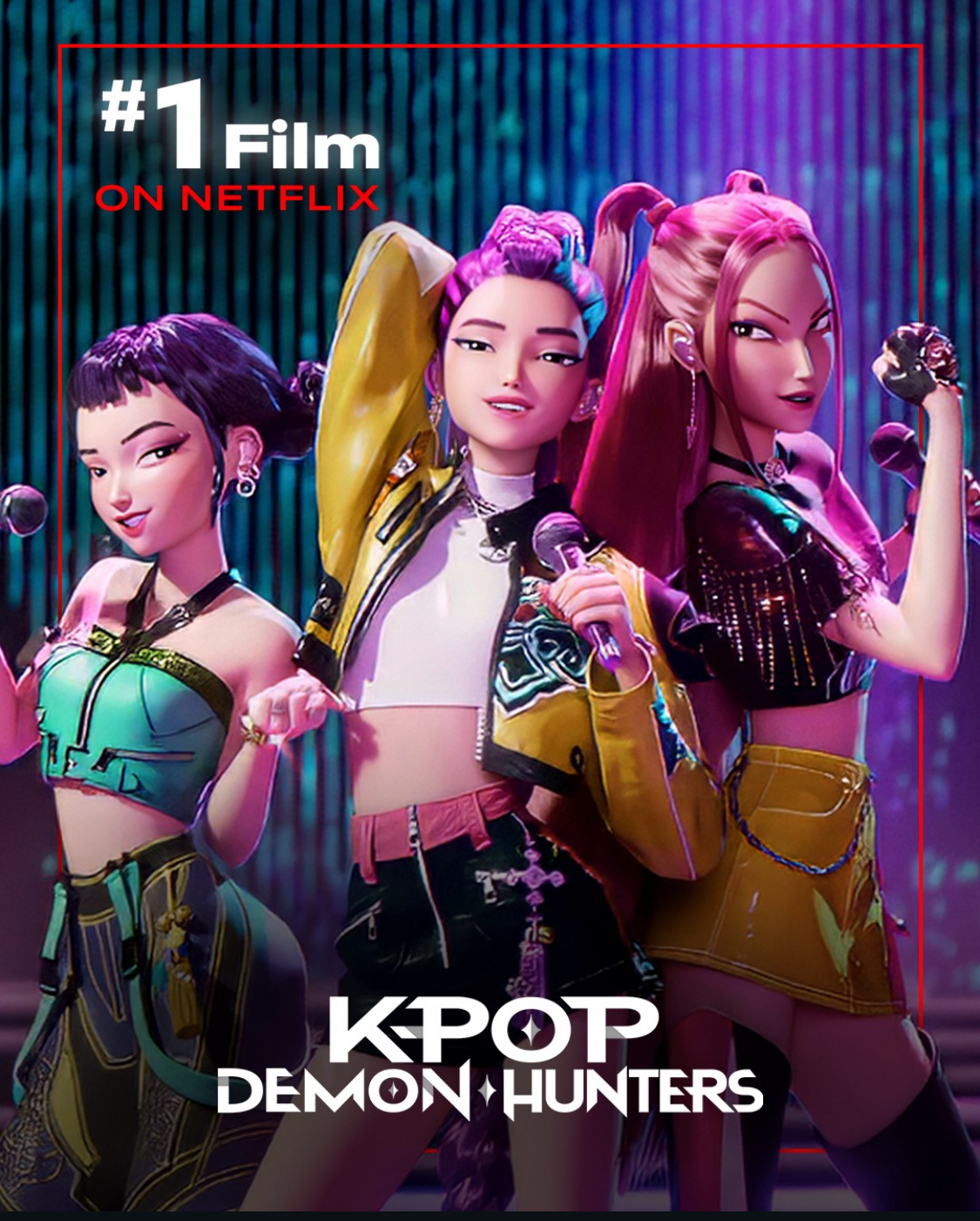
This summer’s animated movie KPop Demon Hunters not only became the most-watched film in Netflix history but also made headlines as the first soundtrack to place four songs in the Billboard Hot 100’s top 10.
Sang-Hwa Oh, associate professor of advertising and expert in entertainment, celebrity, and K-pop branding, and PR and strategic communication, shares the factors that helped turned KPop Demon Hunters into a global cultural phenomenon.
About the Media Expert

Sang-Hwa Oh is an associate professor of advertising in the Charles H. Sandage Department of Advertising and a faculty member of the Institute of Communications Research. Her research delves deep into the realms of emerging media effects, encompassing AI and VR technologies, and scrutinizes the dissemination of health and risk misinformation. She focuses on enhancing media literacy and understanding the nuanced roles that varying emotions play in the communication processes essential for promoting public health and initiating positive social change.
KPop Demon Hunters became a global phenomenon. Does its success show a shift in who’s shaping pop culture today? Are there specific branding or fan engagement tactics that global brands might want to experiment with?

The success of KPop Demon Hunters goes beyond viewership numbers. It illustrates how the center of popular culture has expanded. In the past, Western stories and filmmaking styles stood as the benchmark for mainstream entertainment. In contemporary popular culture, however, diverse cultures and storylines emerge as parallel centers of attention, captivating audiences worldwide. What feels ordinary and familiar to one community may appear fresh and captivating to another, and this interplay of familiarity and novelty has become a powerful force in shaping global culture.
What makes KPop Demon Hunters especially meaningful is the way it blends cultural specificity with universal resonance. Its storytelling emphasizes shared human experiences—making mistakes, confronting hardships, building relationships, and affirming one’s identity. These themes transform cultural differences into stories that spark empathy across audiences.
The K-pop industry has long modeled this approach. Idol groups share their debut journeys and performances openly through social media platforms such as YouTube, while fans respond in real time. This participatory model, pioneered by the K-pop industry, has transformed how global audiences interact with media and set new standards for branding practices worldwide. By extending this participatory structure to the screen, KPop Demon Hunters shows how branding has shifted away from one-directional promotion and now thrives through fan engagement and interaction.
The film showed idols doing everyday things—eating ramen, lounging on the couch. How does that kind of relatability play into humanizing celebrity brands?
One of the film’s most distinctive features is how it humanizes its characters, making them feel approachable and relatable, lowering the barrier between celebrity and fan. These are not just comic touches; they reframe the idols not as untouchable superstars but as humanized brands with whom fans can feel a genuine connection.
K-pop fandom has long been built on this premise. Fans seek not distant superheroes but special presences that feel tied to their own lives. KPop Demon Hunters captured this sentiment effectively, giving audiences the sense that they were not just spectators but part of the story. This deeper emotional connection helps explain why some viewers engaged repeatedly, building layers of affective experience that fuel what is often called the fandom economy. This demonstrates how emotional branding fosters loyalty through shared identity and emotional resonance—principles later expanded through Netflix’s participatory fan strategy.

KPop Demon Hunters had lore, character backstories, and fan art contests—almost like a real K-pop group debut. How does that kind of immersive fan experience help drive engagement?
Netflix placed fan experiences at the center of its promotional strategy, mirroring the immersive fan culture of K-pop. Just as idol groups connect with audiences through YouTube vlogs, fan meetings, or pop-up stores, KPop Demon Hunters translated these participatory practices into its own story world.
Its characters are not confined to fictional roles; they are embodied by real singers and actors, allowing audiences to experience them as living figures. Beyond polished stage personas, the film included meme-worthy comic moments and open-ended storylines that encouraged reinterpretation and fan-made creations. As a result, the film relied not on one-directional marketing but on branding amplified through fan-driven participation. Viewers became active agents, creating and sharing fan-cams that captured their real-time reactions while watching, participating in dance challenges, and generating memes that spread organically on social media. In this way, audiences shifted from being passive consumers to becoming co-authors of the story itself.
This extended beyond digital platforms. In the United States and other countries, Netflix organized sing-along screenings, inviting audiences to join in the songs featured throughout the film. These screenings turned a typical movie showing into a fun, shared, and participatory event, amplifying the sense of belonging and collective enjoyment.
Ultimately, the film became more than an animated feature. It served as an experimental space for fandom participation, where audiences could create, share, and connect. This, in turn, was a driving force behind its explosive global success
What does the global success of KPop Demon Hunters reveal about how Korean cultural products—like K-pop, K-dramas, and animation—are evolving and resonating with international audiences?
The global success of KPop Demon Hunters demonstrates how Korean cultural products have evolved from niche appeal to influential creative forces shaping global media culture. Rather than being treated as foreign curiosities, they are now embraced as meaningful contributions to the global mainstream.
While the film benefited from the global networks established by the K-pop industry, its appeal reached far beyond existing fandoms. Many viewers with little prior exposure to K-pop were drawn to its accessible storytelling, dynamic music, and engaging characters. This suggests that Korean cultural products are entering a new phase: sustaining loyal fan communities while also attracting new audiences worldwide.
A compelling example of this cultural translation appears in the film through the characters Derpy, the tiger, and Sussie, the magpie. In Korean folk paintings (hojakdo), the tiger is often portrayed as a humorous or satirical figure, while the magpie symbolizes good fortune and joyful news. The film reimagines these figures with playful personalities, making them immediately recognizable to Korean audiences yet fresh and engaging for international viewers. Their popularity quickly extended beyond the screen. Netflix released official merchandise featuring Derpy and Sussie, and The National Museum of Korea saw its special-edition goods sell out. This indicates how entertainment products today are branded through the convergence of emotional resonance, cultural symbolism, and market strategy.
The film also situates its story within Korea’s historical background. Beginning with references to earlier eras, including the Joseon dynasty, and moving into contemporary Seoul, it underscores continuity between Korea’s past and present. Seoul’s cityscapes are rendered with careful detail, grounding the story in a distinctly Korean setting while offering imagery that resonates with audiences worldwide.
In turn, KPop Demon Hunters illustrates that Korean cultural products now embody a dual identity. They remain rooted in Korean traditions and aesthetics while speaking to universal human experiences. The result is a model of cultural production that is locally grounded, globally resonant, and emotionally authentic.
Share on social